Citadel Culebra
CinemaPages
Get the guide · $9.99

5

Temperament, Behavior, and Handling

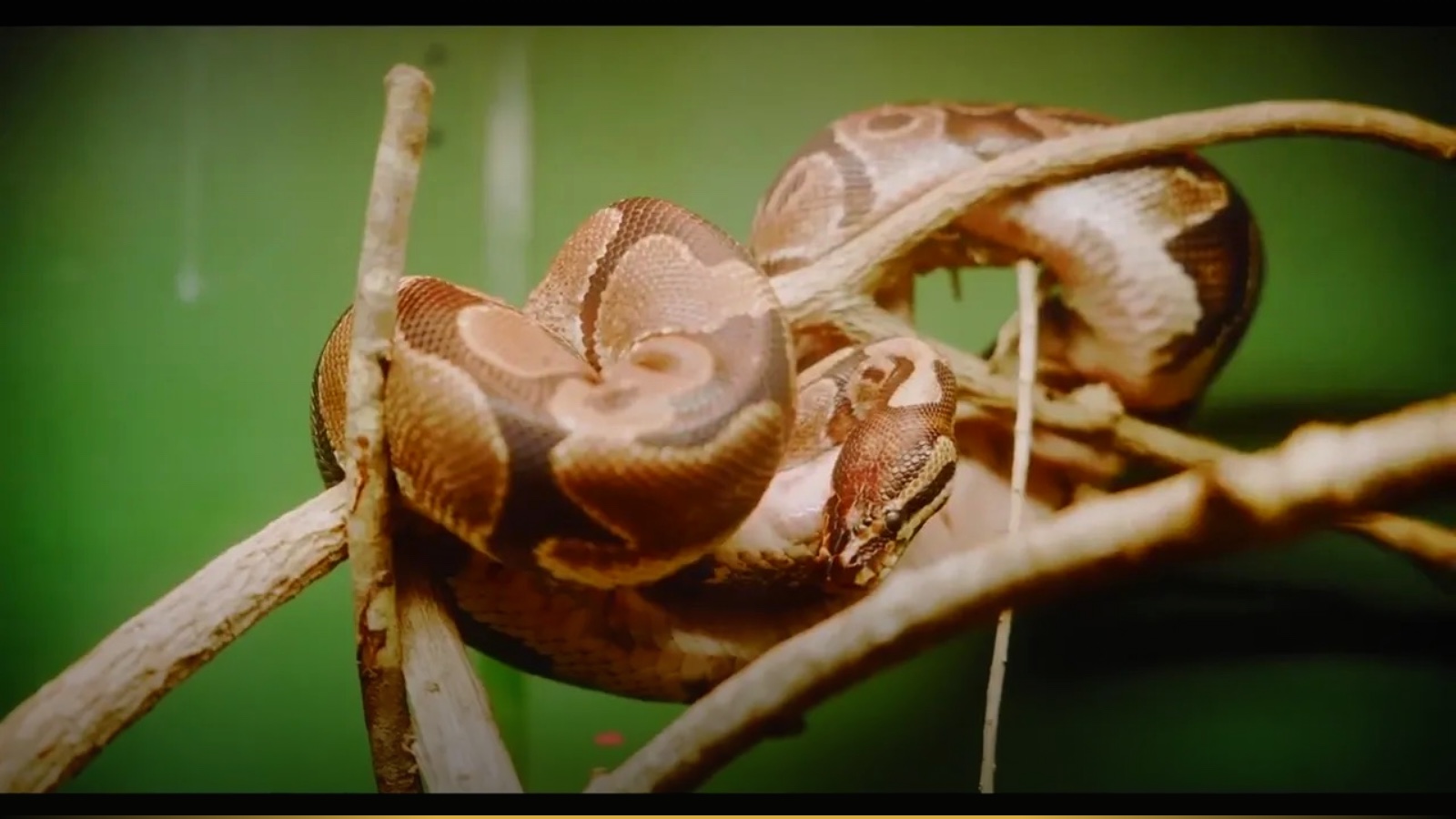
Reptiles do not socialize the way mammals do. They tolerate. The goal with a ball python is not a cuddly animal — it is a calm, predictable animal that does not perceive you as a threat and does not perceive you as food.

Typical behavior patterns

  • Daily rhythm. Active in the early evening, overnight, and around dawn. During the day, your ball python should be in a hide. If your snake is sitting out in the open in mid-afternoon, that is sometimes fine and sometimes a sign the enclosure is too warm or the hides are wrong. Look at the bigger picture before assuming something is wrong.
  • Defensive displays. Hissing, balling up, S-shaped neck, sometimes mock strikes. Almost always defensive, not predatory. A defensive snake is asking for space, not a fight.
  • Feeding response. A ball python that has just smelled prey is in a different mode. Slow, deliberate movement. Tongue flicking constantly. Head tracking. This is the one mode where a calm ball python may strike at a hand. Use a hook or tap test (more below) if you are not sure which mode the snake is in.
  • Shed cycle behavior. Eyes turn cloudy or blue, skin dulls, snake hides more, often refuses food. Eyes clear up, skin still looks dull, snake sheds within a few days. The whole cycle is roughly 7–14 days.
  • Seasonal patterns. Many adult ball pythons — especially males — refuse food during the cooler months from roughly October through March, even in captivity, even with steady temperatures. They often resume eating in spring. Healthy adults can lose 10% of their body weight on a winter fast and be fine.
  • “Exploring” in the evening. Your ball python wandering the enclosure at 10 p.m. is normal. They are crepuscular animals doing what crepuscular animals do.

Handling — the basics

Ball pythons tolerate handling well once settled. They are slow, heavy-bodied, and almost never aggressive toward a human. The bites that do happen are almost always feeding-response strikes from a snake that confused a warm hand for a meal.

How long after bringing the animal home should you handle?

Two questions every new keeper asks within hours of getting their snake home. We are going to answer both of them as plainly as we can.

Short answer: wait one to two weeks AND wait until at least one successful feed in the new enclosure. Whichever takes longer is the one you follow.

Why both conditions: the calendar window covers the settling period after shipping or transport. The successful-feed condition is your evidence that the snake is calm enough in its new environment to engage in normal behavior. A snake that is too stressed to eat is too stressed to be handled. Hitting both protects you from the trap of reaching the two-week mark and starting to handle a snake that has not eaten and is still in a stress spiral.

The settle-in timeline, day by day

WindowWhat you doWhat you do NOT do
Day 1–2Place the snake in its prepared enclosure and close it up. Lights low or off. Leave the room.Do not handle. Do not pose for photos. Do not show the snake to friends or family. Do not open the enclosure to “check on it.”
Day 3–7Visual checks only. Confirm the snake is breathing, alert, and using hides. Refresh water without lifting the snake.Still no handling. Still no removing for cleaning unless absolutely necessary. Resist the urge.
Day 5–7Offer the first meal. Frozen-thawed prey, warmed, offered with tongs at dusk. Leave the snake undisturbed for the strike, the kill, and the consume.Do not be in the room watching closely. Many ball pythons will not feed under observation. Offer and walk away.
Day 7–14 (if first meal succeeded)Wait at least 48–72 hours after that first meal. Then begin short handling sessions — 5 minutes, every other day, in a calm room.Do not extend the first session because it is going well. End it short on purpose. Build trust through brevity.
Day 7–14 (if first meal refused)Try again at the 7–10 day mark. Do NOT start handling because the calendar says you can. Wait for the successful feed.Do not panic about the refusal. New-arrival refusals for the first one to two attempts are extremely common.
Day 14+ (after first successful feed plus 48–72 hours)You are clear to begin a normal handling routine. See “Handling frequency and duration” below.Do not start daily handling immediately. Build up gradually.

How long after eating should you wait before handling?

Short answer: minimum 48 hours. 72 hours is better. Skip the next handling day entirely if you fed at the end of a session.

Why: ball pythons are constrictors with a slow digestive process. Movement, stress, and pressure on the body during early digestion are the most common cause of regurgitation. Regurgitation is not a small problem — the snake loses both the meal and a significant amount of stomach lining and digestive enzymes, and repeat regurgitations can be fatal.

The rest of this chapter is in the full guide

Unlock The Ball Python — Complete Care Guide

You're reading the free preview. Unlock once and the entire book opens — every chapter, every section. 45 more sections are waiting in this chapter alone.

  • Full husbandry: enclosure, heat & humidity, feeding, handling
  • Health, parasites, and when to see a vet
  • Morphs, genetics, and notable breeders
  • Every appendix, glossary, and quick-reference card

One-time purchase · secure checkout by Gumroad