1
Species Snapshot
If you read nothing else in this guide, read this section. It is the one-page reference card you will come back to at 2 a.m. when something looks off.
At-a-glance facts
| Common names | Ball python (US), royal python (UK and most of Europe) |
| Scientific name | Python regius |
| Family | Pythonidae — the pythons |
| Native range | A broad savanna belt across West and Central Africa — roughly twenty countries, from Senegal and the Gambia in the west to South Sudan, Sudan, and Uganda in the east. The pet trade draws mainly from the Ghana–Togo–Benin corridor (plus southern Nigeria). |
| Wild habitat | Savanna, grassland, sparse woodland, and the edges of agricultural areas. Heavy use of rodent burrows and termite mounds. |
| Adult size — female | 3–5 ft (90–150 cm), occasionally reaching or exceeding 6 ft. Locality and lineage produce real variation. |
| Adult size — male | 2.5–4.5 ft (75–135 cm), occasionally exceeding 5 ft. Locality and lineage produce real variation. |
| Adult weight | Females 1,500–2,500 g, males 800–1,500 g (broad ranges, individual variation is large) |
| Lifespan in captivity | 20–30 years typical. Verified individuals have exceeded 40 years. |
| Activity pattern | Crepuscular to nocturnal — active around dawn, dusk, and overnight |
| Care level | Beginner-friendly with non-trivial humidity and feeding-response demands |
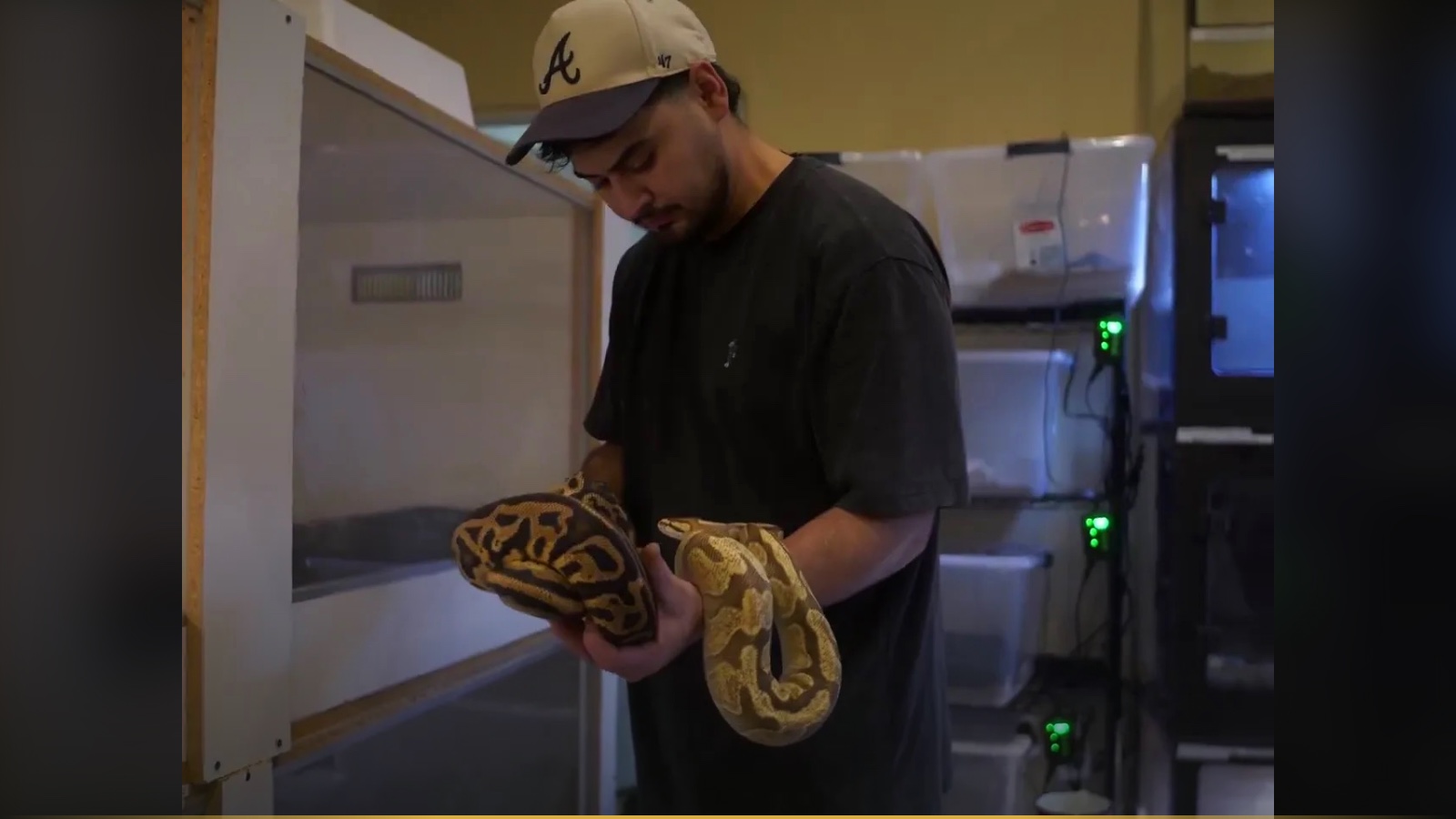
| Temperament (general) | Shy, defensive-only, rarely aggressive. The species' name comes from its habit of curling into a tight ball when threatened. |
| Wait before first handling | 1–2 weeks after bringing the animal home, AND after at least one successful feed in the new enclosure. Whichever comes later. |
| Wait after feeding | Minimum 48 hours. 72 hours is better. Movement during digestion is the most common cause of regurgitation. |
The rest of this chapter is in the full guide
Unlock The Ball Python — Complete Care Guide
You're reading the free preview. Unlock once and the entire book opens — every chapter, every section. 4 more sections are waiting in this chapter alone.
- Full husbandry: enclosure, heat & humidity, feeding, handling
- Health, parasites, and when to see a vet
- Morphs, genetics, and notable breeders
- Every appendix, glossary, and quick-reference card
One-time purchase · secure checkout by Gumroad
